
Vented Loop Q&A
Question:
What is the function of a Vented Loop?
Answer:
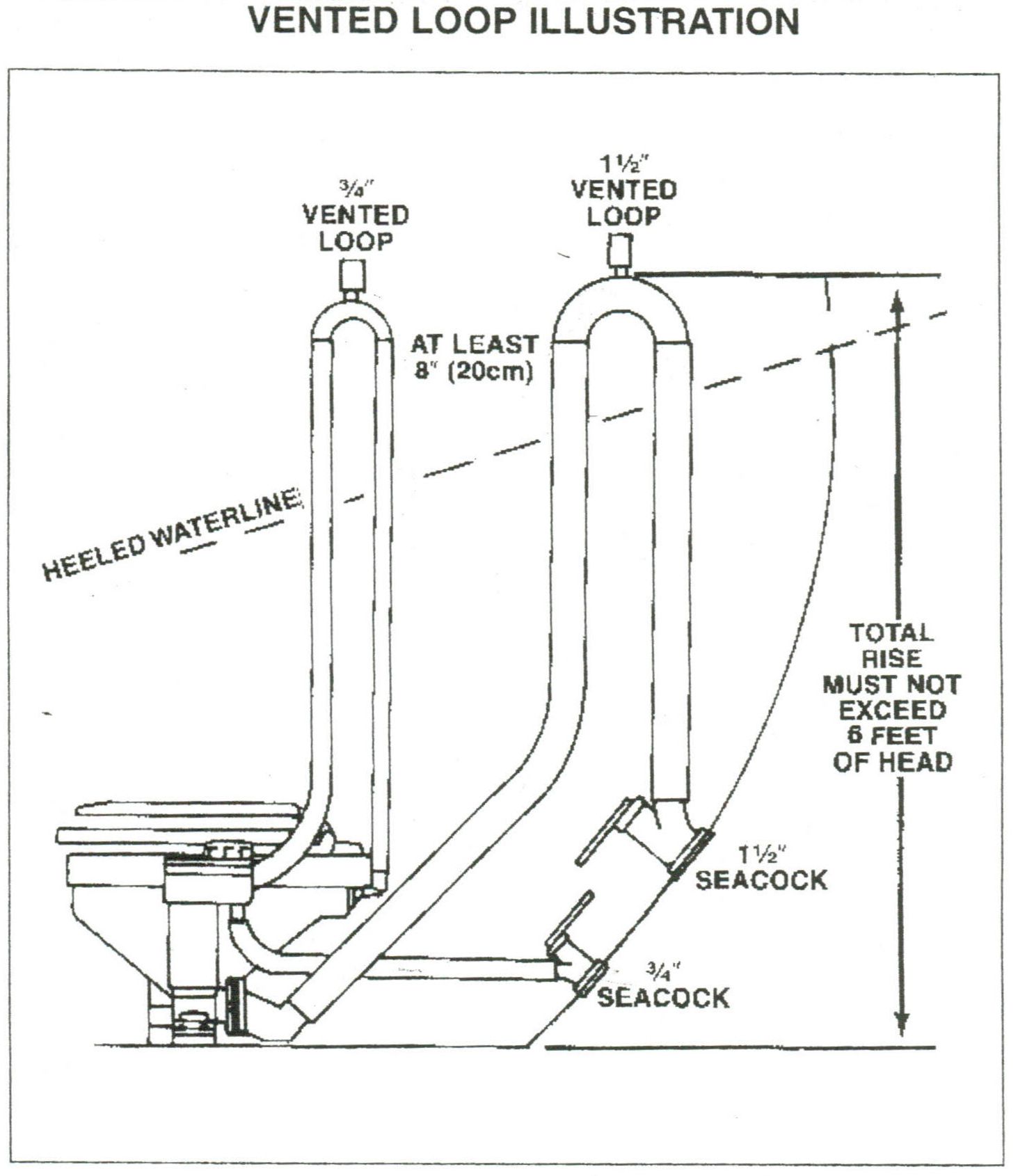
A Vented Loop is an anti-siphon device in lines with direct access to the body of water you are in. It is placed in the line above the water line and allows air in as the waste or water flows through the line. It is to prevent siphoning if your thru-hull or Seacock fails and your toilet or holding tank is below the water line.
______________________________________
Question:
When is a Vented Loop necessary?
Answer:
There are many factors that determine when a Vented Loop is necessary. These are just a few reasons you may need one.
Please review the toilets installation manual or consult an installer before deciding if you do or do not need a Vented Loop.
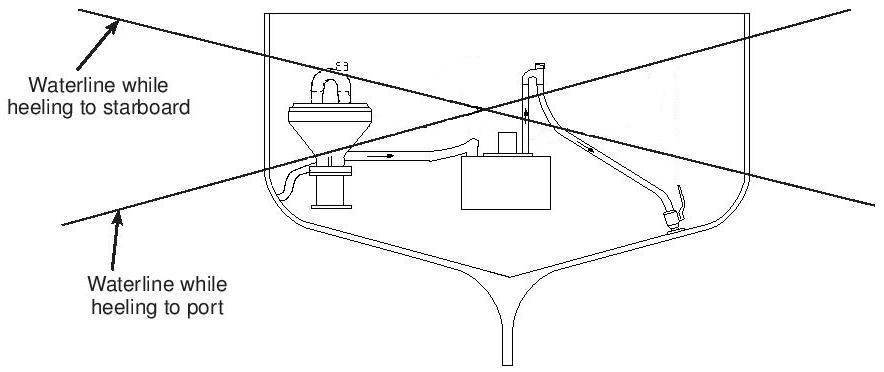
Manual Toilet: When your toilet is below the water line, or the toilets heel level is below water line. Manual toilets have a direct line to the body of water you are in, and can result in that body of water siphoning into the toilet if it is below the water line at any point. See the next question for where a vented loop should be installed for this application.
Electric Toilets: Please refer to your toilets installation manual. Too many important factors play a role in an electric toilet needing a vented loop or not.-If you are running raw water (from the body of water you are in): What style intake pump you are using (a pump that pulls the water in and pushes it to your toilet) when you're on a pressurized system, or if the toilet itself has an impeller to pull the water in to the toilet. If your toilet is above or below the water line... -If you are using your vessels fresh water: These toilets are known to not need a vented loop, but please refer to the installation manual.
Holding Tank: You would need a Vented Loop if your holding tank is below the water line and you do not have a discharge pump that would prevent backflow that could result in siphoning.
In general: If your toilet or holding tank will be under the water line when you're vessel is heeled over. (see diagram above)
______________________________________
Question:
Where do I install an intake Vented Loop if my toilet is below the water line?
Answer:
Manual Toilet: If your toilet is below water line you would install the Vented Loop in the line between the toilet pump and the bowl. It would NOT go in the intake line. The vented loop allows air into the line and your pump would not be able to pull water to the toilet because it would be pulling air in from the vent portion of the loop (not being able to create a suction for the water supply)
Electric raw water toilet that has an impeller to bring the water in: Please refer to your toilets installation manual. Too many important factors play in an electric toilet needing a vented loop or not. Typically you would have an electric vented loop between the toilet pump and the back of the bowl. It would be wired to close when your toilet flush panel is activated, allowing the water being pushed from the pump to pass through it without shooting out of the top. Flushing the toilet, the vented loop closes - sitting idle, it is open. It being open will prevent siphoning of the intake water if your toilet is below water line.
Electric toilet that uses pressurized intake water: Typically you would not need a vented loop in a pressurized system, as there is no direct access to the body of water you are in, therefore no siphoning should occur. Please refer to your toilets installation manual. Too many important factors play in an electric toilet needing a vented loop or not.
______________________________________
Question:
Where do I install the discharge Vented Loop if my holding tank is below the water line?
Answer:
If your holding tank is below the water line you would install a Vented Loop between the discharge pump and the overboard seacock. That way the pump is pushing the waste past the loop. If the Loop is installed before the discharge pump it would not be able to create a suction on the waste in the tank - it would instead be sucking air in through the vent portion of the loop.
______________________________________
Question:
Where do I install a discharge Vented Loop if my toilet is below the water line?
Answer:
If your toilet is below water line and you have the option to flush overboard, you would install the discharge Vented Loop in the line going to the overboard seacock. You could tee this line into an existing discharge line from your holding tank, after the discharge pump and share the vented loop.
You should not need a Vented Loop on the way to the holding tank, as that line is within the system and does not have direct access to the body of water you are in. Siphoning is not typically a possibility, since any necessary Vented Loop would be at the toilet between the pump and bowl (see above "Where do I install an intake Vented Loop if my toilet is below the water line?" for this description).
______________________________________
Question:
How high does my Vented Loop need to be above the water line?
Answer:
You should not exceed more than 6-feet of lift in the line to the top of the Vented Loop. It is suggested to have the Vented Loop at least 8-inches above the highest water line.
______________________________________
Question:
Are there any discharge pumps that prevent backflow so I don't have to install a Vented Loop if my holding tank is below water line?
Answer:
Discharge pumps with check valves in them can prevent backflow issues that cause siphoning. The SeaLand T-Pump (Transfer Pump) is our best seller for discharge pumps. Most manual pumps have check valves as well.
Please consult with an installer before deciding that your installation of a discharge pump will take the place of needing a vented loop.
______________________________________
Question:
Do I need to install a Vented Loop between my toilet and my holding tank for any reason?
Answer:
No. Vented loops are designed to break the siphon in a line that has direct exposure to the body of water you are in (raw water intake or overboard discharge). The line from the toilet to the tank has no exposure to the outside of the boat.
______________________________________